
Outdoor education offers a unique blend of adventure and learning, providing participants with experiences that challenge their physical, emotional, and intellectual capacities. Among the many approaches to enhancing these experiences, the methods of facilitation and reviewing play crucial roles. This article delves into how The Mountain Tribe uses these techniques to create impactful outdoor programs that resonate with participants long after the experience ends.
Understanding Facilitation in Outdoor Education
Facilitation in outdoor education involves guiding participants through experiences in a way that maximizes learning and personal growth. It’s not just about leading activities but creating an environment where participants feel safe, supported, and open to challenge and reflection.
Key Elements of Effective Facilitation
- Creating a Safe Environment: Safety is paramount in outdoor education. This includes physical safety, such as ensuring equipment is in good condition and participants are briefed on safety protocols, as well as emotional safety, where participants feel comfortable expressing themselves without fear of judgment.
- Setting Clear Objectives: Clear goals help participants understand the purpose of each activity. Whether it’s building teamwork, developing leadership skills, or enhancing environmental awareness, clear objectives provide a focus for both facilitators and participants.
- Active Listening: Facilitators must be adept at listening to participants, and understanding their needs, fears, and aspirations. This helps in tailoring the experience to meet the group’s dynamics and individual expectations.
- Adaptability and Flexibility: Outdoor environments can be unpredictable. Facilitators must be prepared to adapt their plans to changing weather conditions, group dynamics, and unforeseen challenges.
- Encouraging Reflection: Reflection is a critical component of learning. Facilitators should encourage participants to reflect on their experiences, what they learned, and how they can apply these insights in their daily lives.
Techniques Used by The Mountain Tribe
The Mountain Tribe employs several facilitation techniques to enhance the learning experience:
- Storytelling: Using stories from local culture and history to create a connection with the environment and provide context for the activities.
- Guided Discovery: Encouraging participants to explore and discover solutions on their own, fostering a sense of ownership and self-reliance.
- Role-Playing: Engaging participants in role-playing scenarios to develop empathy and understanding of different perspectives.
The Role of Reviewing in Outdoor Education
Reviewing is the process of reflecting on experiences to extract meaning and insights. It’s an integral part of The Mountain Tribe’s approach, ensuring that learning is consolidated and transferred beyond the outdoor setting.
The Importance of Reviewing
- Consolidating Learning: Reviewing helps participants internalize what they have learned, reinforcing key concepts and skills.
- Emotional Processing: Outdoor experiences can evoke strong emotions. Reviewing provides a space for participants to process these emotions and understand their impact.
- Encouraging Personal Growth: Through reflection, participants can identify personal strengths and areas for improvement, setting goals for future development.
- Building Group Cohesion: Sharing reflections can strengthen group bonds, as participants learn from each other’s perspectives and experiences.
Reviewing Techniques Employed by The Mountain Tribe
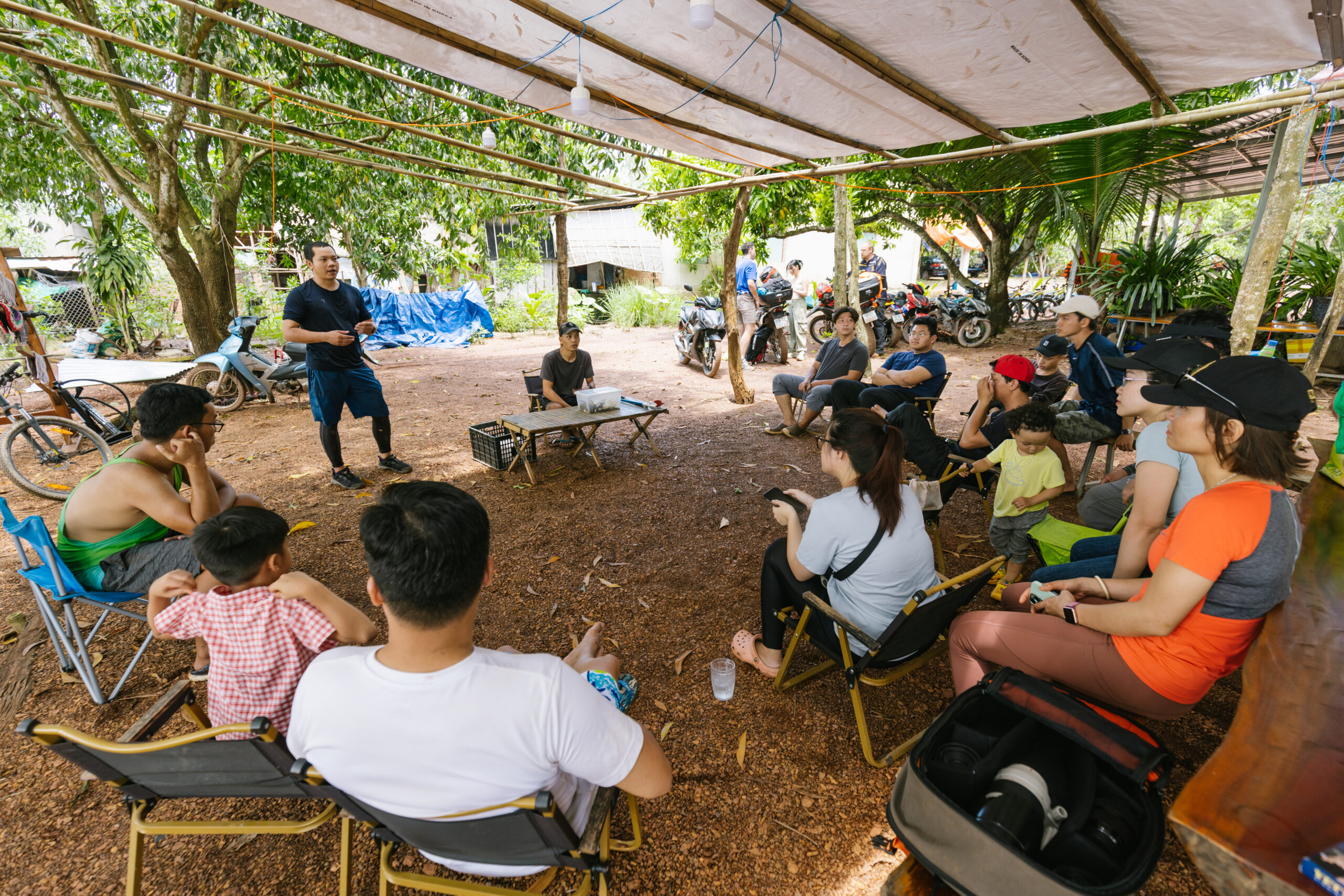
- Debrief Circles: Bringing participants together in a circle to share their thoughts and feelings about the experience, fostering an open and inclusive environment.
- Journaling: Encouraging participants to keep journals where they can reflect privately on their experiences and insights.
- Creative Expression: Using art, music, or drama to allow participants to express their reflections in diverse ways.
- Feedback Sessions: Facilitators provide constructive feedback, helping participants recognize achievements and areas for growth.
The Impact of The Mountain Tribe’s Approach
The Mountain Tribe’s approach to facilitation and reviewing in outdoor education has several positive outcomes:
Enhanced Learning Outcomes
Participants gain a deeper understanding of themselves and the environment. The combination of active participation and reflection leads to meaningful learning that extends beyond the immediate experience.
Increased Confidence and Resilience
By overcoming challenges and reflecting on their achievements, participants build confidence and resilience. They leave with a stronger belief in their capabilities and a greater willingness to tackle future challenges.
Stronger Connection to Nature
Through storytelling and guided discovery, participants develop a sense of stewardship for the environment. They learn the importance of preserving natural spaces and the role they can play in conservation efforts.
Improved Interpersonal Skills
The emphasis on group activities and reflection fosters communication, teamwork, and empathy. Participants learn to work collaboratively and appreciate diverse perspectives.
Implementing The Mountain Tribe’s Methods
For educators and facilitators looking to implement The Mountain Tribe’s methods, the following steps can serve as a guide:
Training and Development
Invest in training facilitators who are skilled in both outdoor activities and the art of facilitation. Develop programs that enhance their ability to listen, adapt, and guide participants effectively.
Designing Meaningful Programs
Create programs that align with your educational goals and the needs of your participants. Consider incorporating local culture and natural history to provide context and depth to the experience.
Fostering a Reflective Environment
Encourage a culture of reflection by integrating reviewing techniques into your programs. Provide tools and resources, such as journals and creative materials, to support this process.
Evaluating and Refining Your Approach
Regularly evaluate the effectiveness of your programs through participant feedback and outcomes. Use this information to refine your approach, ensuring that it continues to meet the needs of your participants and achieves your educational objectives.
Facilitation and reviewing are powerful tools in outdoor education, transforming experiences into lifelong learning. The Mountain Tribe’s approach, with its emphasis on storytelling, reflection, and cultural connection, offers a model for creating impactful and enduring educational programs. By adopting these methods, educators can enhance the effectiveness of their outdoor activities, fostering personal growth, environmental stewardship, and a deeper connection to nature among participants.


Để lại một bình luận